
Getting your period is part of life, but it can be a daunting experience for many girls. Navigating Menstruation: A Guide to a Healthy and Happy Period is a practical guide for young women and teenagers looking for an empowering way to manage their period. With the right information and resources, you can learn to embrace your period and have an enjoyable experience. Read on for essential tips and advice to keep your period healthy and happy.
1. Navigating Your Period: The Fundamentals
Understanding Your Cycle
Our menstrual cycle can be broken up into four distinct phases. These phases are the menstrual, follicular, ovulation, and luteal phases. During the menstrual phase, your body sheds your uterine lining, signaling the start of your menstrual cycle. The follicular phase follows the menstrual phase, which is characterized by an increase in estrogen and a rise in your basal body temperature. During the ovulation phase, an egg is released from the ovary. Finally, the luteal phase concludes your cycle, with progesterone levels peaking and a decline in your basal body temperature.
Tracking Your Cycle
A key part of understanding your menstrual cycle is by tracking your cycle. Keeping track of your cycle can help you identify patterns and predict when your period may occur. You can track your cycle by writing down when you have your period or using a calendar, app, or menstrual cycle tracking tool. Additionally, taking note of any physical and emotional changes like cramps, bloating, cravings, mood changes, etc. can provide clues about your overall health and help you better understand your own unique cycle.
Managing Your Symptoms
Periods can be uncomfortable and bring uncomfortable symptoms. Common negative symptoms associated with your period can range from mild to severe pain, headaches, bloating, fatigue, cramps, and mood swings. Common treatments to help relieve period-related symptoms include:
- Stretch and exercise
- Eat nutritious food
- Get enough rest
- Take over-the-counter pain relievers
- Try heat or cold therapy
In addition, certain herbs and supplements, such as ginger, peppermint, chamomile, cranberry, and Vitamin B6, can help relieve period-related symptoms. However, it is important to talk to your healthcare provider before taking any herbal supplements.
Living with Your Period
Learning to live with your period can be a daunting process, but it doesn’t have to be. A key part of managing your period is to recognize your warning signs and listen to your body. Taking the time to understand your unique cycle can help you to better plan your activities and plan ahead for potential obstacles and hurdles.
It is also important to talk to friends or family about your period if you need additional support. Finally, don’t forget to be kind to yourself during your period and listen to your body. It is ok to have a light day or take an extra break if you need it.
2. Seizing Control Over Your Cycle
If you would like to take control over your menstrual cycle, it is important to take certain steps to successfully achieve this.
- Be aware of your cycles: Track your cycle cycles using an app or calendar. Take note of the average length of your cycle, and when you experience significant changes to your cycle. This will allow you to anticipate when your next period will arrive. Doing this will reduce the surprise factor of your period.
Reduce stress: If you are feeling stressed, it can cause hormonal imbalances that can affect your cycle. This can cause the your period to arrive earlier or later than usual. Stress can also be a factor in other issues such as missing periods or abnormal periods. Try to reduce stress in your life by taking time for yourself, exercising regularly, and practicing relaxation techniques.
Diet: Eating a balanced diet is important when trying to gain control over your menstrual cycle. It’s important to make sure you’re getting enough iron, calcium, and vitamin D, as these nutrients are important for regulating your cycle. Consuming plenty of fruits, vegetables, and healthy proteins can ensure that your body is receiving all the nutrients that it needs. You should also drink plenty of water, as hydration is very important for menstrual health.
- Hormonal balance: Certain supplements, such as chasteberry and maca root, can help to balance hormones and regulate your cycle. It’s recommended to speak to your doctor about taking any supplements, as they may interfere with other medications.
Seeking medical help: If your menstrual cycle is irregular or unpredictable, it may be a good idea to check in with your doctor or gynecologist. They can advise on whether you need any tests or treatments to regulate your hormones. By taking these steps, you should be able to take control over your menstrual cycle and manage it better.
3. Embracing the Power of Menstruation
Women have two powerful resources available to them every month: menstrual cycles and power. Menstruation is not only natural and necessary for humans, but it can also be an opportunity to unlock strength and create positive transformation. Here are a few ways to embrace the power of menstruation:
- Learn to Listen to Your Body: Acknowledge how your body is feeling each day and how it may be changing throughout the moon cycle. Learning to listen to your body’s needs can recognize imbalances and help reconnect with deeper needs or desires. Additionally, tracking menstrual cycles can help better understand how hormones may influence moods and feelings.
- Create a Ritual: Design a special practice that’s just for you, like a self-care routine. During menstruation, use this time to re-energize and connect with yourself. This could include journaling, meditating, or painting. By committing to these rituals, it can help foster a positive relationship with this time.
- Choose Self-Empowerment: Rather than attaching shame and powerlessness to your menstruation, create an empowering ritual. This could involve setting intentions for each cycle, expressing gratitude, and using positive language around menstruation. Doing this each month can create a shift in perspective and empower the feminine.
- Celebrate Your Moon Time: Monthly menstruation is so much more than a “period”; it is sacred and connects us to the spirit of the Earth. To honor this time, create a sacred alter and be mindful with each cycle to celebrate this monthly energy.
By utilizing these methods, women can find strength and empowerment from this ancient feminine force. During menstruation, we can honor ourselves and practice sacred ritual to create positive transformation. In essence, we rely on our menstrual cycles, so owning this power is a key to unlocking our full potential.
4. Taking Care of Your Body During Your Period
- Eat Healthy: Eating healthy is important for our bodies all the time, but especially during our period. Eating loads of fruits and vegetables helps keep our bodies healthy and happy. Eating regular and balanced meals can help reduce cramps and other PMS symptoms. Additionally, drink plenty of water and avoid processed foods, fast food, and high sugar snacks that can make us feel sluggish.
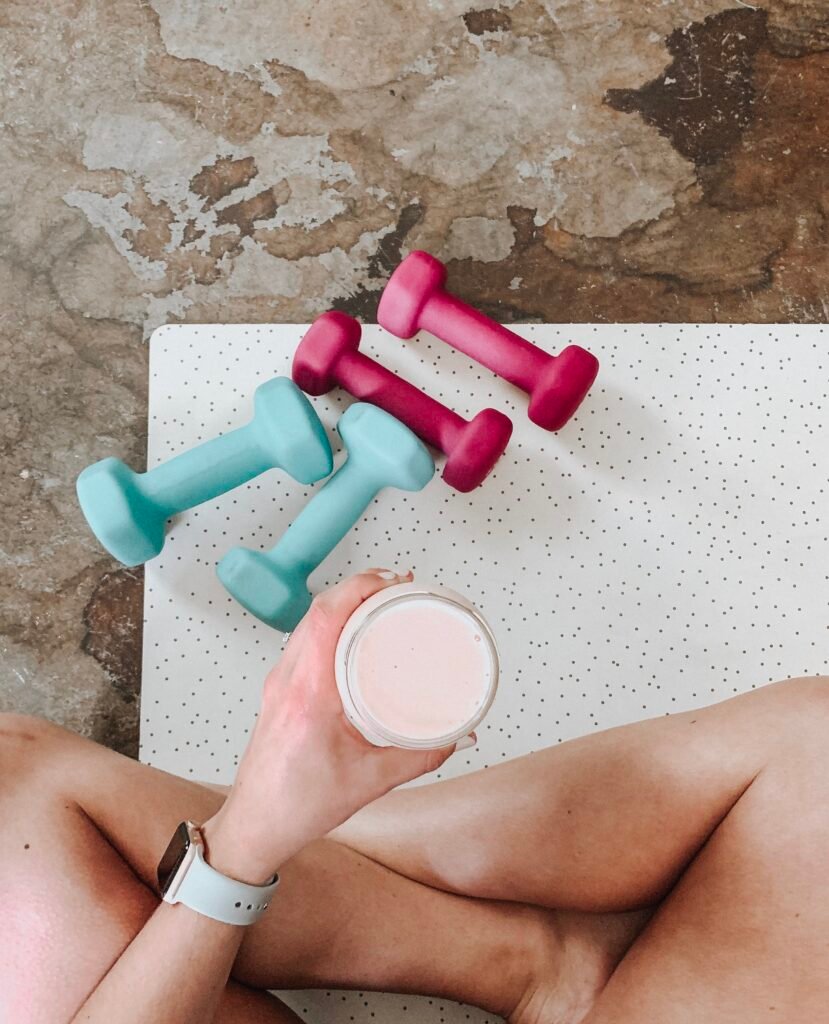
- Move Your Body: Doing physical activity will help dispel period pains. Exercise can help reduce and prevent cramps, and help with low moods that might come with PMS. It’s not necessary to run a marathon or take an intense spin class – even just going for a walk or a light yoga session can help. Getting some fresh air and natural light can also be a great help.
- Get Enough Rest: It can be difficult to rest when your period comes every month, especially when it’s accompanied with cramps, headaches, nausea, etc. However, resting can be a great help in healing our bodies. Try to turn in early when your period is around the corner. Get enough sleep when you start feeling drained, and take a nap if you need one.
- Create a Relaxing Environment: During our periods, mood swings are common. Taking a hot shower, soaking in a warm bath, or using a heating pad on our most painful areas can help us relax and bring relief to our bodies. Dimming the lights or lighting some candles and incense can help create a more soothing environment that will promote relaxation. Listening to soft music or taking some deep breaths can help us go into that chill mode.
- Gentle Self Care: Taking care of ourselves during our period can mean more than just physical measures. Treating ourselves gently and compassionately can help us cope better. It’s important to remember to be gentle with ourselves even if we don’t have the energy to do anything. Listen to our bodies and respond accordingly – be kind and soothing with ourselves.
Enjoying a healthy and happy period each month is possible with the right resources and support. So don’t be afraid to ask questions and learn more about how to navigate menstruation so that you can find ways to make this time in your monthly cycle something that works for you!